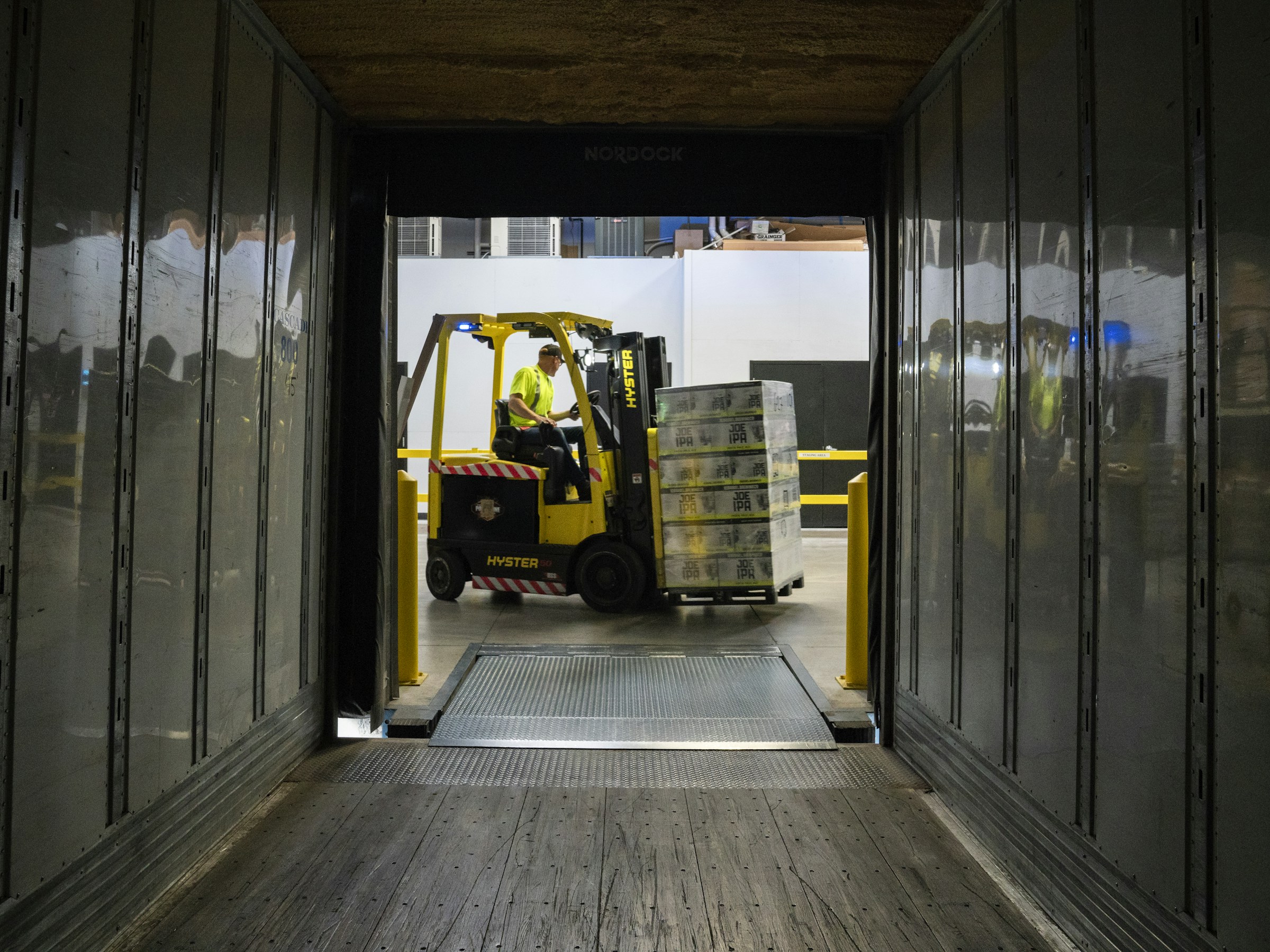
FMCG and grocery distributors
The problem Hundreds of SKUs, dozens of retailers, thin margins and expiry that turns stock into a write-off if it sits.
In Crateline Batch and expiry tracking with FEFO picking, per-channel price lists, credit limits per retailer, and a buyer app so the smaller accounts stop phoning orders in.
Pharma and healthcare distribution
The problem Batch traceability is not optional, expiry is money, and a recall means proving where every unit went.
In Crateline Batches with manufacture and expiry dates, serial numbers where you need them, dispatch that refuses out-of-date stock, and a movement ledger that can answer where a batch ended up.
Building materials and hardware
The problem Goods sold by weight, length or piece depending on the customer, and quantities that need converting between them.
In Crateline A unit-of-measure engine with multi-level conversions and per-batch overrides — a coil that is 96 metres, not the nominal 100.
Food manufacturers who also wholesale
The problem You make it and you sell it, and most software makes you choose which half to computerise.
In Crateline One system covers both: an item can be manufactured, purchased or both, and stock moves through the same ledger either way.
Importers and re-exporters in the Gulf
The problem Zero-rated exports, reverse charge on imports, and a TRN that must be right on every document.
In Crateline VAT treatment determined from the document itself, exports zero-rated, and tax numbers snapshotted onto the invoice as they were on the day.
Businesses on Tally, Marg, Busy or Excel
The problem The billing works. Everything around it — stock, prices, credit, who owes what — lives in spreadsheets and one person’s memory.
In Crateline Crateline is the operations layer that was missing. Bring your item master and customers as CSV, and your opening balances come with you.